

A UTA professor is developing lifesaving technology that could transform how communities respond to natural disasters.
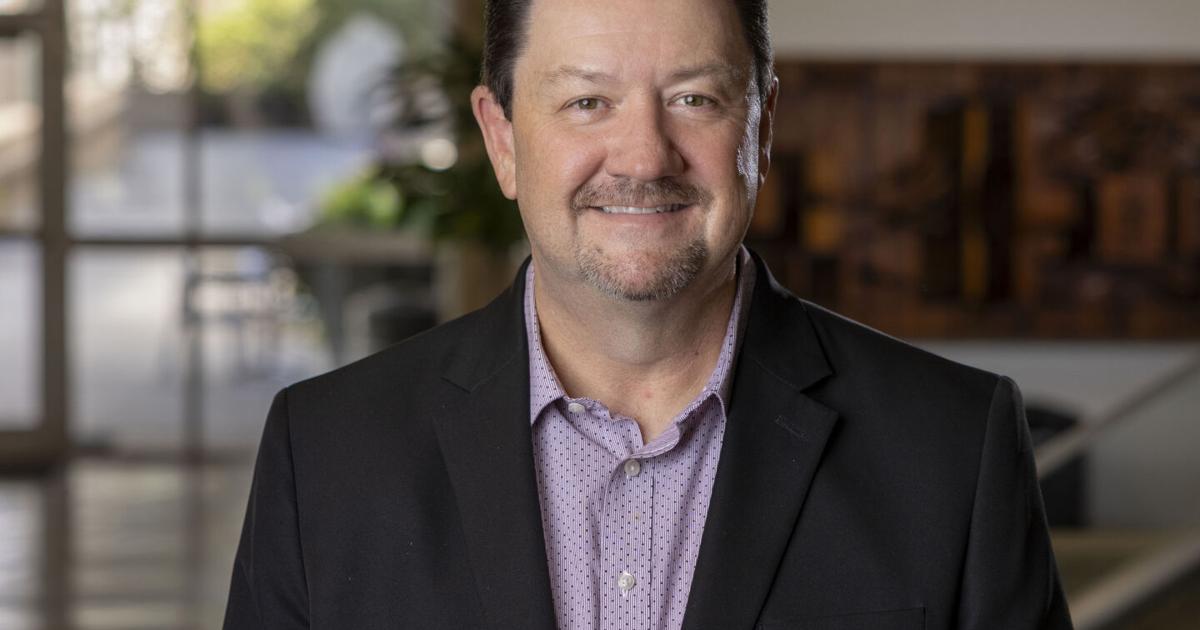
Mahmoud Bayat, assistant professor of architecture, is leading the creation of an AI-powered disaster response system that uses real-time digital modeling to improve evacuation planning. It will factor in infrastructure risks, social vulnerability and access to transportation.
“Integrating infrastructure damage modeling with transportation systems means we’re not just routing people, we’re routing them through paths that are actually usable, safe, and accessible in real time,” Bayat said in an email.
The project is currently in the pilot stage, with the team gathering data on bridge conditions and local communities to model scenarios in disaster-prone areas such as Galveston, Texas. Bayat said the next step is to simulate disasters using live traffic, structural and weather data.
One of the project’s goals is to ensure vulnerable populations such as the elderly, people with disabilities or those without cars are not left behind.
“You have to consider social vulnerability of flooding and hurricanes — and also the equity of the community to access the transportation network,” he said.
The team is working with extensive data on bridge safety and traffic loads. Bayat said many bridges in Texas were built decades ago and may no longer meet regulations.
“Most of them, we don’t have any structural plan for,” he said.
The team plans to assess each bridge’s condition, which will help the system reroute traffic to safer parts of the transportation network without overloading bridges.
Bayat said the goal of a bridge is to create an integrated system that connects infrastructure to vehicles and vehicles to the people who depend on them.
“Equity in evacuation planning ensures that no one is left behind,” he said in an email. “Our system intentionally accounts for these vulnerabilities, modeling evacuation options that consider physical limitations, transportation needs, and social constraints.”
@tay._.sansom