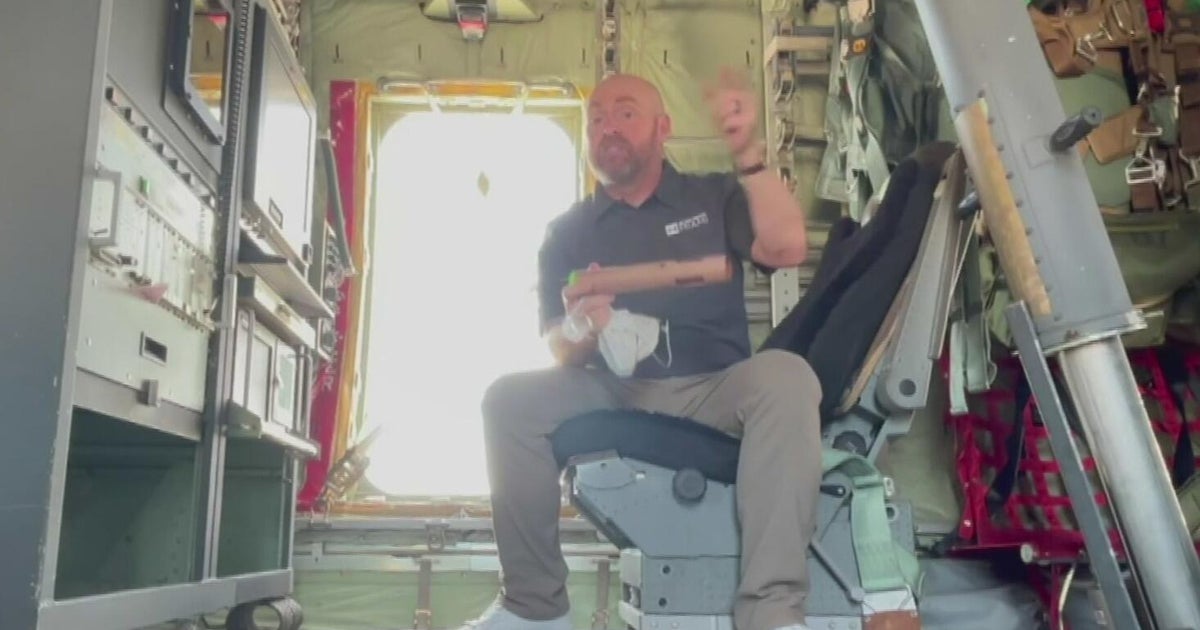

CAMP BONDSTEEL, Kosovo – Standing among nearly a 100 Soldiers during Advanced Individual Training at Fort Sam Houston, Texas, Spc. Kailin Lezama noticed something that set her class apart. Only twenty of them were women, a small minority in a technical field many still assume belongs to men.
Instead of feeling isolated, she found something different.
“It brought a form of camaraderie within our group,” Lezama said. “No one felt alienated or singled out. We all just wanted to help each other out as much as possible. Even though we were females, we never faced any discrimination with the males. It showed me that everyone in the Army helps each other out.”
Now serving as a biomedical equipment specialist in the Florida Army National Guard with Company C, Medical Company, 53rd Brigade Support Battalion, Lezama operates in one of the Army’s most technically demanding medical fields.
Her job is rarely seen by patients, but its impact is felt everywhere medical care happens.
Lezama installs, maintains and repairs critical medical systems, from X-ray machines and life-support monitors to laboratory diagnostic equipment. Every piece of equipment must function with precision, whether in a hospital environment or a deployed medical facility supporting Soldiers in the field.
While combat medics are often recognized for treating casualties at the point of injury, Lezama works behind the scenes ensuring the technology they depend on works when it matters most.
Quiet and reserved by nature, Lezama prefers the technical focus of her role, carefully diagnosing problems and restoring complex equipment to working order. The responsibility can be daunting, especially knowing that a malfunctioning machine could impact patient care.
Despite having only recently graduated high school before beginning her Army career, she has already faced moments during training that tested her confidence.
During a pre-mobilization training exercise at Fort Hood, Texas, Lezama participated in a mass casualty scenario that required rapid evacuation of multiple simulated casualties of varying sizes and conditions.
“There are moments during training where self-doubt comes into play,” Lezama said. “It was scary arriving to the helipad and being in the HUMVEE, but I just pushed through it. At the end of the day, I looked back and was in shock that I did all of that.”
Whether treating patients directly or maintaining the equipment used in their care, each Soldier contributes to the mission of saving lives. Experiences and training where Soldiers rise to the occasion establishes the importance of every role within a medical unit.
For Lezama, service in the Army also carries a deeper personal meaning.
She says being the only Soldier in her unit with her specialized skillset has become both a challenge and a source of pride.
“It’s empowering being the only person in my unit with my skillset,” Lezama said. “I hope that I can inspire someone back home just like how I was inspired by the women in my community who were in roles I thought would only go to men.”
Through her work, Lezama represents the often unseen backbone of military medicine, a specialist who ensures the equipment behind every diagnosis, treatment and lifesaving intervention is ready when people need it most.