
Luxury brands are focused on a certain type of consumer in 2025.
Recent years have seen the prices of luxury goods rise sharply, sidelining a critical group of shoppers—those with “aspirational” wealth, CNN reported. According to Aaron Cheris, a partner at Bain & Co., approximately 50 million potential customers were priced out of the market by 2024, as costs jumped by around 20 percent since 2021 amid an overall luxury slowdown. This shift has prompted luxury brands to rethink their strategies for attracting aspirational consumers—shoppers who purchase at least one luxury item annually and spend between $3,000 and $10,000 a year, as defined by McKinsey & Co.
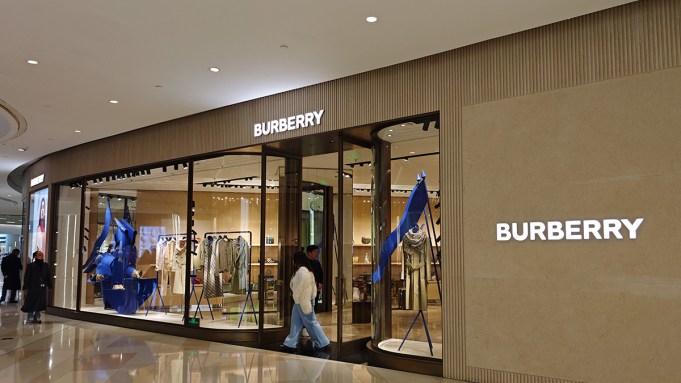
One major brand responding to this shift is British luxury label Burberry. Ahead of the holiday season, the brand adjusted its pricing structure to appeal to a broader audience, moving toward more accessible offerings. The company’s efforts proved successful; in December, Burberry experienced its first new customer growth in two years and saw a 4 percent rise in third-quarter store sales across the Americas, CNN reported.
Aspirational consumers, who are often dealing with financial pressures like inflation or the threat of layoffs, typically spend around $274 billion annually, making them a key group brands, McKinsey noted. Cheris added that luxury companies overestimated demand for higher-priced premium goods, resulting in many aspirational shoppers being priced out. However, brands can still thrive by focusing on lower-priced items, particularly those in the $400 to $1,000 range. Products like leather goods, belts, eyewear, and fragrances—accessories that offer luxury at a more accessible price point—are seeing increased interest.
Take Gucci, for example, which offers a $420 belt, or Yves Saint Laurent’s $98 perfume. Despite Gucci‘s $8 billion revenue drop in 2024, Kering Eyewear (part of its parent company) saw a 6 percent increase in sales, demonstrating the potential of affordable luxury goods.
Burberry’s focus on reintroducing accessible leather goods and products in its outerwear and scarf categories also helped boost brand desirability by the end of Q3. However, not all luxury brands are immediately shifting their pricing strategy. For instance, French conglomerate LVMH continues to offer lower-priced leather goods but has resisted releasing entirely affordable product lines.
While luxury brands aren’t abandoning their high-end clientele, the focus on aspirational shoppers is clear. Many are enhancing the in-store experience—investing in better sales associate training and reducing wait times—to foster loyalty and lure recurring low-ticket buyers.
Authors
-

Abby Montanez